The Rise of IPTV USA: Understanding Its Impact on Viewing Habits
In recent years, the landscape of television viewing has undergone a dramatic transformation, and at the forefront of this change is IPTV USA. Internet Protocol Television (IPTV) offers a new way for viewers to consume content that transcends traditional broadcasting methods. This shift is not just a passing trend; it represents a significant evolution in how we access and engage with media. As audiences increasingly seek convenience and flexibility in their viewing habits, IPTV has emerged as a leading choice. When exploring options, IPTV USA provides comprehensive insights into the features and benefits of this revolutionary service.
What is IPTV and How Does It Work?
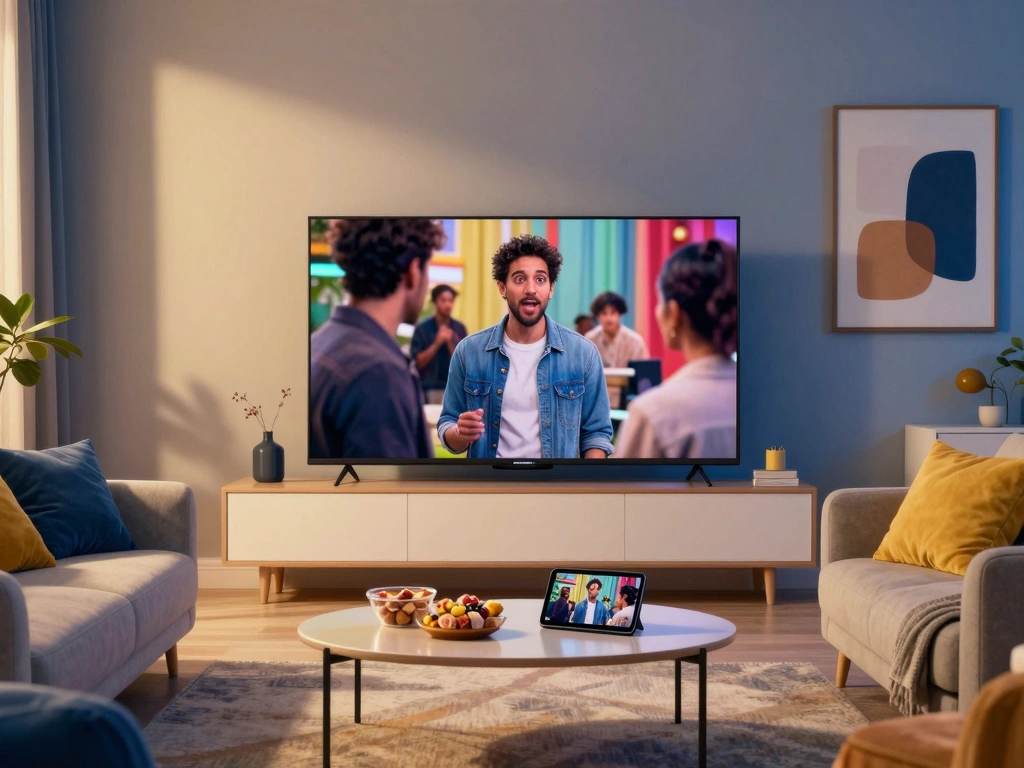
IPTV, or Internet Protocol Television, utilizes the internet to deliver television programming. Unlike traditional cable or satellite systems, which rely on broadcast signals, IPTV streams content directly over the internet protocol network. This technology allows consumers to watch live television channels as well as on-demand content from multiple devices, including smartphones, tablets, smart TVs, and computers. By converting video content into data packets and transmitting them through the internet, IPTV offers an interactive viewing experience that caters to the preferences of modern audiences.
Shifting Trends in Media Consumption: The Move to Streaming
As consumers become more accustomed to streaming technologies, the traditional model of television viewing is becoming less relevant. The rise in popularity of streaming services like Netflix, Hulu, and Amazon Prime has fundamentally changed how viewers access content. Viewers now favor services that offer flexibility, allowing them to watch shows and movies on their own schedule. IPTV USA has capitalized on this trend by providing users with an extensive library of live TV channels and on-demand content, catering to diverse viewing preferences.
Comparing IPTV with Traditional Cable Services
When comparing IPTV services with traditional cable options, several key differences emerge. First and foremost, IPTV typically offers a more extensive range of channels at a lower price point compared to cable. Additionally, IPTV services allow for greater flexibility in viewing options, including the ability to watch on multiple devices, record shows, and access a wider array of content from around the world. Moreover, IPTV providers often offer customizable packages, allowing users to select channels that fit their viewing interests, which is something traditional cable companies struggle to match.
Benefits of Choosing IPTV USA Over Other Services
Access to Diverse Content: More than Just Live TV
One of the most significant advantages of IPTV USA is the sheer volume of content available. Users can access not just live television channels but also a vast library of on-demand movies, series, and sports programming. With offerings that include local, national, and international channels, viewers can enjoy diverse programming that caters to various tastes and preferences. Furthermore, many IPTV services feature user-friendly interfaces that make searching for content easy and convenient.
Cost Efficiency: How IPTV USA Saves You Money
Cost is another critical factor driving the shift towards IPTV. Many IPTV services offer competitive pricing structures that provide excellent value compared to traditional cable subscriptions. With subscription plans available at different price points, consumers can choose packages that fit their budgets without sacrificing content quality. Additionally, the elimination of hidden fees commonly associated with cable services helps reduce overall costs, making IPTV a more appealing option for budget-conscious viewers.
Flexibility and Convenience: Watch Anytime, Anywhere
One of the hallmarks of IPTV is its flexibility. Unlike traditional cable services, which often restrict content to specific locations, IPTV allows users to watch their favorite shows and movies from virtually anywhere with an internet connection. Whether at home, traveling, or at work, viewers can access their content seamlessly across multiple devices. Features such as pause, rewind, and record further enhance the user experience, allowing for a truly personalized viewing journey.
Key Features of Leading IPTV USA Services in 2026
4K and HD Streaming Capabilities
With advances in internet speeds and streaming technology, many IPTV USA providers now offer 4K and HD streaming capabilities. This high-definition content delivers sharper images, vibrant colors, and an overall enhanced viewing experience. As more consumers adopt 4K televisions, having access to high-quality content is no longer a luxury but a necessity for IPTV providers aiming to meet the demands of modern viewers.
Interactive Features That Enhance User Experience
Modern IPTV services are not merely about passive viewing; they incorporate interactive features that significantly enhance the user experience. Functions such as electronic program guides (EPGs), customizable watchlists, and even social media integration allow users to engage with their content actively. Additionally, the ability to interact with live broadcasts—such as voting in real-time during talent shows—adds a layer of engagement that traditional television cannot provide.
The Importance of Customer Support in IPTV Services
Quality customer support is vital for any service-based industry, and IPTV is no exception. Leading IPTV providers understand the importance of offering timely and efficient customer service, helping users troubleshoot issues and optimize their viewing experience. Whether through online chat, emails, or phone support, having professional assistance readily available ensures that users can enjoy their services without undue stress.
Challenges and Considerations for IPTV USA Users
Internet Speed Requirements: Ensuring Smooth Streaming
While IPTV offers numerous benefits, it also comes with specific requirements that users must consider. Chief among these is the need for reliable internet connectivity. A strong and stable internet connection is essential for smooth streaming; otherwise, users may experience buffering or interruptions. Most providers recommend a minimum internet speed for optimal performance, so users should ensure their internet plans align with these requirements to enjoy their content without interruption.
Legal and Regulatory Issues Surrounding IPTV
The legality of IPTV services can be a complex issue. While many IPTV providers operate legally, offering licenses for the content they distribute, others may not, leading to potential legal repercussions for users. It's essential for viewers to familiarize themselves with the laws surrounding IPTV in their regions and to choose reputable providers that comply with regulations. In the USA, for instance, legitimate IPTV services will ensure they have the appropriate licensing agreements in place.
Common Misconceptions About IPTV Services
Despite its growing popularity, several misconceptions about IPTV persist, leading to confusion among potential users. One common myth is that IPTV is synonymous with illegal streaming, which is not the case. Many IPTV services operate legally and provide a wide range of content legitimately. Another misconception is that IPTV requires expensive equipment; however, many services are accessible through existing smart TVs or devices like streaming sticks, making them affordable and easy to use.
Future Trends: What to Expect in IPTV USA
Technological Advancements in Streaming Quality
As technology continues to evolve, viewers can expect further advancements in IPTV streaming quality. Innovations in internet infrastructure, such as the rollout of 5G networks, promise faster and more reliable streaming capabilities. This progression will enable IPTV providers to enhance their offerings, including higher resolution content and more stable connections, fostering a better viewing experience overall.
Personalization and AI in IPTV Services
Personalization is set to play a significant role in the future of IPTV. By leveraging artificial intelligence and machine learning algorithms, IPTV services can analyze viewer preferences and habits to suggest tailored content. This level of personalization not only improves user satisfaction but also promotes engagement by introducing viewers to new content that aligns with their interests.
The Growing Role of Content Partnerships
As competition intensifies among IPTV service providers, forming strategic partnerships will become increasingly crucial. Collaborations with content creators, networks, and other distribution platforms will enable IPTV services to offer exclusive programming and enhance their libraries. Such partnerships are likely to lead to innovative viewing experiences and more diverse content options for subscribers.
Is IPTV legal in the USA?
The legality of IPTV varies depending on the service. While many legitimate IPTV providers follow the law, others may facilitate access to pirated content. Users should research their providers and ensure they are licensed to operate legally.
Which IPTV is best in the USA?
Determining the best IPTV service depends on individual preferences and viewing habits. Factors to consider include the availability of channels, pricing, customer service, and streaming quality. Reading reviews and comparing options will help users make an informed choice.
How much does IPTV cost monthly?
IPTV subscription costs can vary widely. Many services offer competitive pricing, with basic packages starting around $10 to $30 monthly, while premium options with extensive channel lists may go up to $100 or more. Users should compare features and costs before deciding.
How much does an IPTV subscription for 12 months cost?
Annual subscriptions may come with discounts compared to month-to-month plans. Users can expect to pay anywhere from $100 to $300 for a 12-month subscription, depending on the features and channel offerings included.
Can I use IPTV on multiple devices?
Most IPTV services allow users to access their subscriptions on multiple devices, such as smartphones, tablets, laptops, and smart TVs. However, the number of concurrent streams may be limited based on the subscription plan, so it's prudent to check the provider's terms.