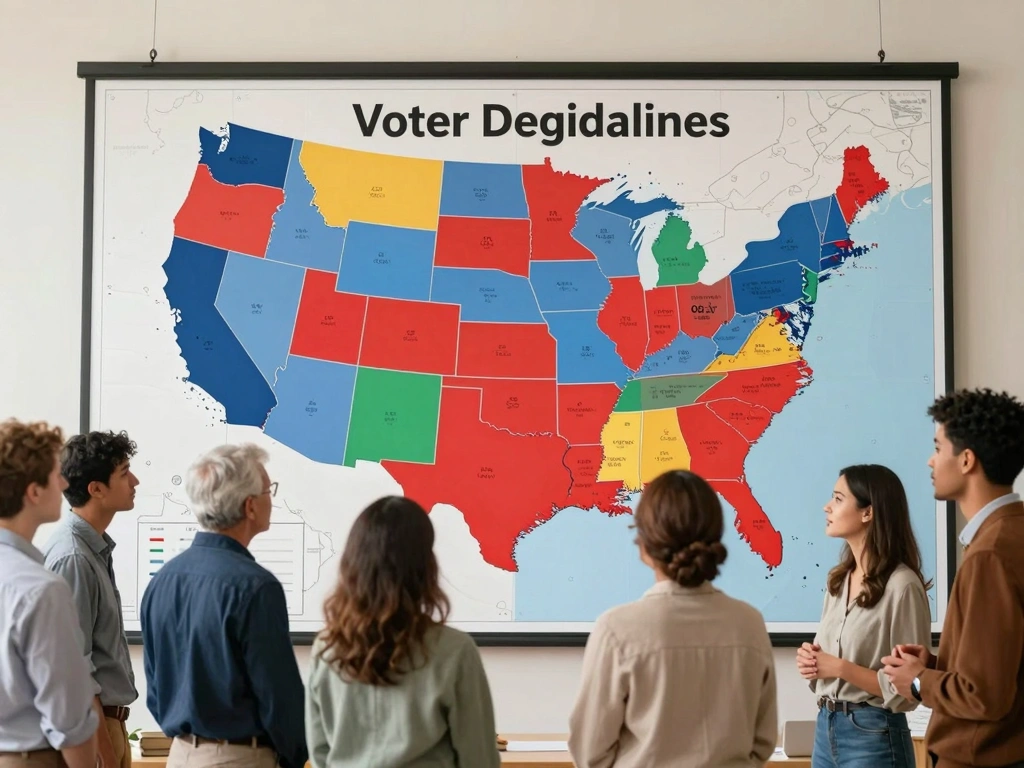
Understanding State Legislature Campaign Marketing
As the political landscape evolves, campaigns for state legislatures require innovative strategies that not only engage voters but also maximize outreach efforts. State legislature campaign marketing encapsulates the art and science of communicating with constituents, leveraging data-driven insights, and deploying targeted messaging to successfully navigate the complexities of electoral politics. In this rapidly changing environment, candidates must be adept in both traditional and digital marketing tactics to resonate with their audience and ultimately secure votes.
What is State Legislature Campaign Marketing?
State legislature campaign marketing refers to the strategic use of various marketing techniques aimed at influencing the electorate within a state legislative district. This includes effectively utilizing voter data, crafting compelling messages, and utilizing both digital and traditional advertising channels. Campaign marketing is not limited to just getting the word out; it’s about understanding voter behavior, preferences, and issues that matter most to them.
Key Components of a Successful Marketing Strategy
- Audience Analysis: Understanding your target demographic helps tailor messages that resonate with their values and concerns.
- Voter Data Utilization: Access to accurate and up-to-date voter files is crucial for segmentation and targeted communications.
- Multi-Channel Approaches: Combining online and offline marketing strategies ensures broader reach. For instance, social media can be complemented by door-to-door canvassing.
- Budgeting and Resource Allocation: Knowing how and where to spend funds effectively can make or break a campaign.
- Performance Metrics: Establishing clear KPIs to evaluate the success of various marketing efforts is essential for continuous improvement.
Common Misconceptions in Political Marketing
One common misconception is that only large-scale campaigns can benefit from extensive marketing strategies; however, even smaller campaigns can effectively utilize focused marketing efforts with limited budgets. Additionally, there’s a false belief that direct mail is obsolete in the digital age, whereas in fact, it can still yield impressive engagement when used strategically alongside digital initiatives.
The Importance of Voter Data in Campaigns
In the realm of political campaigns, knowledge is power, and voter data serves as a cornerstone for campaign strategies. By leveraging extensive voter data, candidates can make informed decisions that directly impact their outreach and engagement efforts.
How Voter Data Drives Campaign Decisions
Voter data provides insights into demographic trends, socioeconomic statuses, and historical voting patterns, allowing campaigns to tailor their messages accordingly. For instance, if a candidate is running in a district with a significant percentage of young voters, the campaign might focus on issues such as education reform and job creation to resonate with that demographic.
Sources for Reliable Voter Information
Reliable voter information can be sourced from various databases, including state election offices and reputable political data companies. These sources maintain updated registries that are essential for accurate targeting and communication. Moreover, custom data cuts can provide insights tailored to specific campaign needs, whether it’s for a district, state, or multi-district coverage.
Analyzing Voter Behavior and Trends
Understanding voter behavior is vital for any campaign. Data analytics tools can help assess how different segments respond to various issues and messaging. Analyzing past election results, polling data, and social media interactions can provide candidates with the knowledge needed to pivot their strategies effectively.
Effective Campaign Communication Strategies
Communicating effectively with voters involves more than just delivering messages; it requires crafting narratives that connect emotionally and intellectually. Campaign communication strategies should be designed to foster trust and encourage engagement.
Crafting Your Campaign Message
The message is the heart of any political campaign. It should encapsulate the candidate's values, vision, and the essential issues they wish to address. A successful campaign message not only highlights what a candidate stands for but also differentiates them from their opponents.
Utilizing Digital and Traditional Media
In a modern campaign, a multi-faceted media strategy is indispensable. While digital platforms such as social media, email marketing, and content marketing play a crucial role in reaching younger demographics, traditional media outlets like television, radio, and print still hold significant influence, particularly among older voters.
Engagement Techniques for Voter Interaction
Engagement techniques should prioritize interaction. Utilizing town hall meetings, Q&A sessions, and community events where voters can voice their concerns fosters a two-way dialogue. Additionally, online platforms can facilitate virtual meet-and-greets, allowing candidates to connect more personally with constituents.
Implementing Campaign Management Best Practices
Effective campaign management encompasses various practices that ensure resources are maximized, and objectives are met. By establishing clear protocols, candidates can efficiently mobilize their teams and manage their operations.
Budgeting for State Legislature Campaigns
A well-structured budget is the backbone of successful campaign management. Candidates must consider all expenses, from data acquisition to advertising costs, while maintaining flexibility to adapt as the campaign evolves.
Transparent Pricing Models and Their Benefits
Transparency in pricing fosters trust with donors and supporters. Clear pricing models also allow campaign managers to allocate resources effectively. Offering services without hidden fees helps build a positive reputation in the community.
Measuring Campaign Performance and ROI
To evaluate the effectiveness of campaign strategies, it’s essential to measure performance consistently. Setting clear objectives and utilizing analytics tools will allow campaigns to assess their return on investment (ROI) and adjust strategies as needed.
Future Trends in State Legislature Campaign Marketing
The landscape of political campaign marketing is continuously evolving, influenced by technology, changes in voter behavior, and emerging platforms.
Emerging Technologies for Political Campaigning
Artificial Intelligence (AI) and machine learning are beginning to play significant roles in political campaign strategies. These technologies can analyze vast amounts of data to predict voter behavior and tailor messaging accordingly. Additionally, virtual reality (VR) is emerging as a new tool for creating immersive campaign experiences.
Shifts in Voter Engagement Strategies
Voter engagement strategies are increasingly moving toward personalized communication. As constituents demand more tailored content, campaigns must adapt by utilizing data-driven insights to connect on an individual level.
Preparing for Elections in 2026 and Beyond
As the political environment becomes more competitive, campaigns must develop innovative tactics to capture attention. Future elections may see increased influence from social media influencers, more extensive use of video content, and a greater emphasis on grassroots movements.
What are the benefits of in-house campaign management?
Managing a campaign in-house allows for greater control, immediate communication, and streamlined decision-making. It fosters a cohesive team environment where all members are aligned with the campaign's vision and strategy.
How important is transparency in campaign pricing?
Transparency in campaign pricing is crucial for building trust with supporters and donors. Clear pricing structures allow stakeholders to understand how funds are being allocated, which can enhance community support.
What role does social media play in state legislature campaigns?
Social media serves as a powerful tool for outreach and engagement in state legislature campaigns. It enables candidates to directly communicate with voters, share their stances, and respond quickly to emerging issues.