Understanding the Mini Split System
As energy efficiency becomes increasingly important in today's world, homeowners and renters alike are exploring effective ways to maintain comfortable indoor temperatures. One solution that has garnered significant attention is the mini split air conditioning system. With their compact design and versatility, they offer a practical alternative to traditional HVAC systems. When exploring options, mini split systems can provide comprehensive insights into modern cooling and heating solutions.
What is a Mini Split Air Conditioner?
A mini split air conditioner, often referred to as a ductless system, is an advanced type of HVAC technology designed to control the climate in individual rooms or zones. This system comprises two main components: an outdoor compressor unit and one or more indoor air-handling units. Unlike traditional air conditioning systems that rely on ductwork to distribute cooled air, mini splits are more flexible, allowing for installations in spaces where ducting is not feasible.
Key Components of Mini Split Systems
To understand how mini splits work, it's crucial to identify their key components:
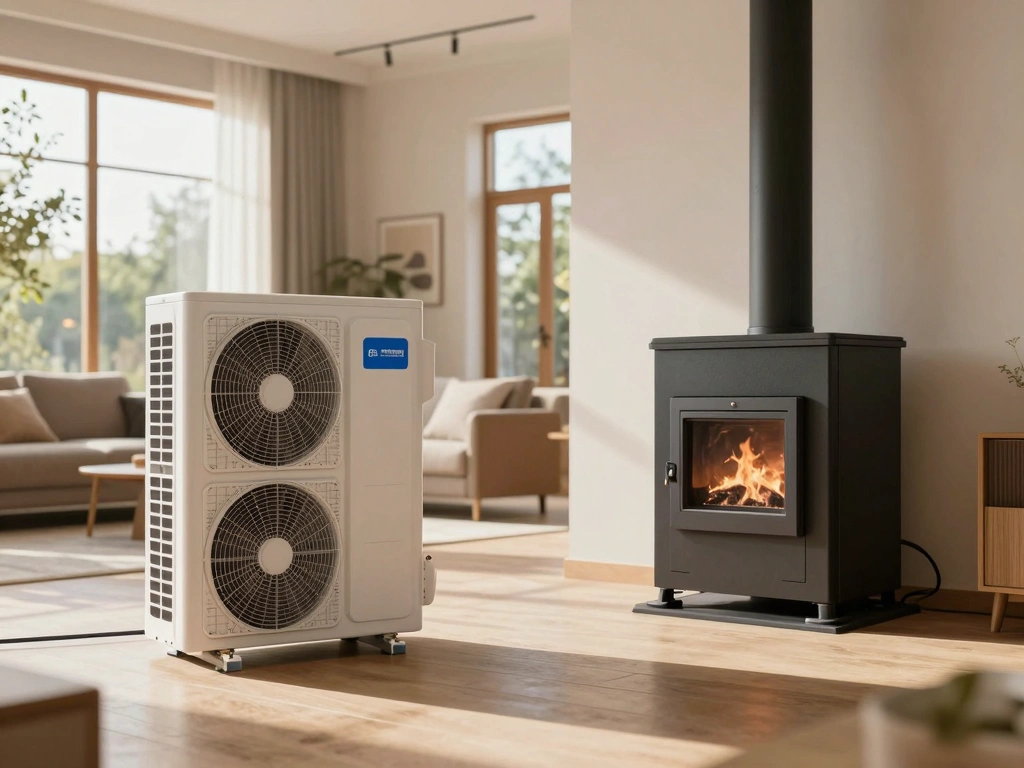
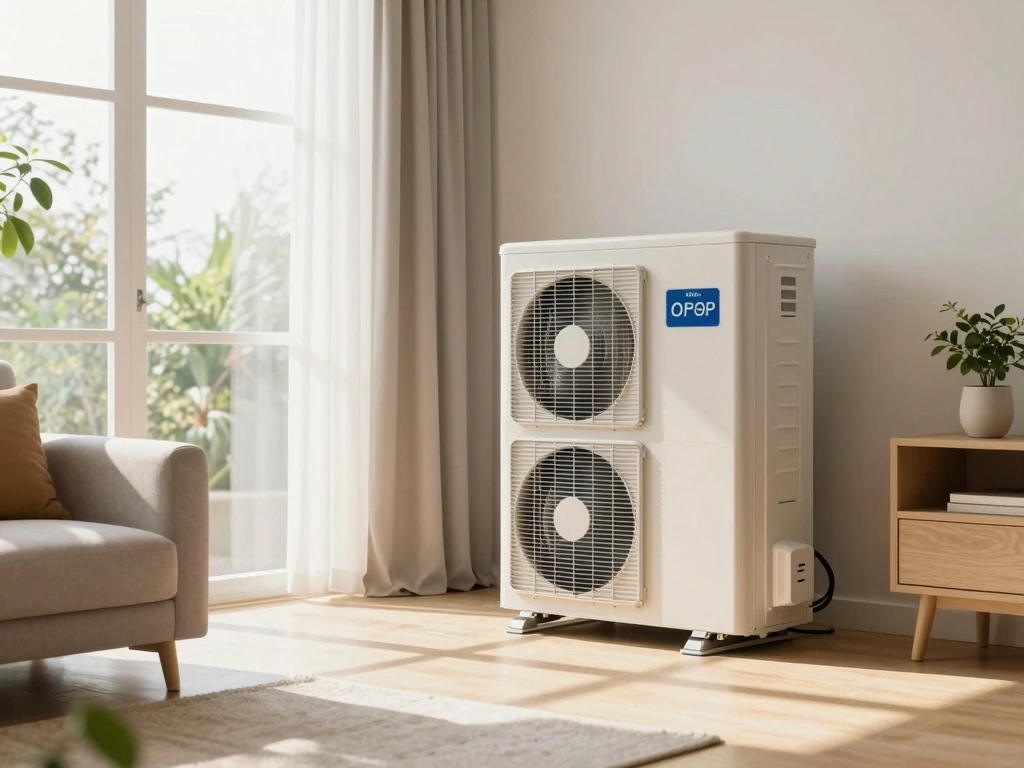
- Outdoor Unit: Houses the compressor and condenser, which work together to transfer heat from inside to outside.
- Indoor Units: Available in various styles—wall-mounted, ceiling-mounted, or floor-mounted—these units distribute conditioned air effectively in the space.
- Remote Control: Most mini splits come with a remote, allowing for easy temperature adjustments without needing to get up.
- Refrigerant Lines: Connect the outdoor and indoor units, facilitating the heat exchange process while requiring smaller holes in walls for installation.
Benefits of Using Mini Splits in Homes
Mini split systems provide a myriad of benefits, making them an attractive option for many homeowners:
- Energy Efficiency: Mini splits are known for their high energy efficiency ratings, leading to lower utility bills.
- Individual Zoning: With the ability to control the temperature in each room independently, mini splits cater to varying comfort needs within the same home.
- Easy Installation: The lack of ductwork simplifies the installation process and reduces associated costs.
- Quiet Operation: Mini splits operate more quietly compared to traditional systems, making them ideal for bedrooms and quiet spaces.
Evaluating Mini Split Systems for Your Space
Choosing the right mini split system is imperative to ensuring it meets your heating and cooling needs effectively. Proper evaluation includes considering aspects like size, layout, and insulation of the space.
Choosing the Right Size Mini Split
One of the most critical factors in selecting a mini split system is ensuring it is appropriately sized for your space. Oversized or undersized units lead to inefficiency and discomfort. A properly sized unit will cycle on and off efficiently to maintain the set temperature, preventing energy waste and ensuring optimal performance.
Understanding BTUs and Your Space Requirements
British Thermal Units (BTUs) measure the cooling power of air conditioning systems. To select the right mini split, you need to calculate the required BTUs for your space based on several factors, including:
- The square footage of the room.
- The number of windows and their orientation.
- The home’s insulation characteristics.
- The climate of your region.
As a general rule, a room requires about 20 BTUs per square foot, but this can vary based on the above factors.
Mini Split vs. Traditional Air Conditioning Systems
When comparing mini splits to traditional air conditioning systems, several differences emerge:
- Ductwork: Mini splits are ductless, which eliminates the energy losses associated with ductwork in central systems.
- Installation: Mini splits are much easier and quicker to install, especially in homes without existing ducts.
- Cost: While the upfront cost can be higher for mini splits, they often lead to savings in monthly energy bills.
Installation Insights for Mini Splits
Installing a mini split system can be straightforward, yet several factors must be considered to ensure longevity and efficiency.
DIY Installation vs. Professional Help
While some homeowners may be tempted to install their mini splits themselves, hiring a professional is generally advisable. Professionals have the skills necessary to ensure proper installation, which is crucial for maximizing system efficiency and longevity. They also navigate code compliance and refrigerant handling, which can be complex for novices.
Common Installation Pitfalls to Avoid
Some common mistakes during mini split installations include:
- Incorrect placement of indoor units, which can affect airflow and cooling efficiency.
- Improperly sized refrigerant lines leading to system inefficiency.
- Neglecting insulation around refrigerant lines, causing energy loss.
Understanding Electrical Requirements for Mini Splits
Mini split systems often require dedicated electrical circuits due to their power needs. It's important to consult an electrician to assess your home's electrical capacity and ensure safe installation.
Maximizing Efficiency with Mini Splits
To harness the full potential of mini split systems, it's essential to follow best practices for operation and maintenance.
Best Practices for Operating Mini Split Systems
For optimal performance, consider these operational tips:
- Set your system to energy-saving mode to reduce energy costs.
- Keep doors and windows closed while the unit is running to prevent energy loss.
- Utilize the timer function to align with your schedule, ensuring comfort without unnecessary energy usage.
Regular Maintenance for Long-lasting Performance
Routine maintenance ensures the longevity and efficiency of your mini split system. Essential tasks include:
- Cleaning or replacing filters every 1-3 months to promote airflow and efficiency.
- Scheduling annual professional maintenance to inspect and service the system.
- Checking the outdoor unit for debris and ensuring it's clear of obstructions.
Energy Savings and Cost-Effectiveness of Mini Splits
Mini split systems can offer significant energy savings, especially when compared to traditional central air conditioning. Their efficient operation allows homeowners to enjoy comfortable indoor temperatures while keeping energy costs manageable, making them a cost-effective solution in the long run.
Future Trends in Mini Split Technology
The mini split technology landscape is evolving rapidly, with increasing innovations enhancing their efficiency and usability.
Emerging Mini Split Features for 2026
As we look ahead to 2026, several trends are likely to shape mini split systems:
- Advanced Filtration Systems: Enhanced air purification technologies will become standard to improve indoor air quality.
- Smart Technology Integration: Many models are expected to offer advanced smart home integration, allowing user control via smartphones and artificial intelligence.
- Increased Efficiency Ratings: Ongoing improvements in compressor technology will yield even higher SEER ratings, making mini splits more energy-efficient.
Smart Home Integration with Mini Split Systems
Smart home compatibility is becoming increasingly common with modern mini splits, allowing users to control their systems seamlessly from mobile devices. Features may include scheduling, remote diagnostics, and energy monitoring capabilities, making it easier to optimize energy usage.
Environmental Benefits of Ductless Systems
Mini split systems provide environmental advantages by reducing energy consumption and greenhouse gas emissions compared to traditional HVAC systems. By promoting energy efficiency, these systems contribute to a more sustainable living environment.
What Are the Disadvantages of a Mini Split?
Despite their many advantages, mini splits do have some drawbacks that potential buyers should consider:
- Initial Cost: The upfront investment can be higher than traditional systems, though this cost can be offset by savings over time.
- Aesthetic Concerns: Some homeowners may find the indoor units less visually appealing compared to traditional vent systems.
- Noise: While generally quieter, some units can still produce noise which may be bothersome in very quiet environments.
Are Mini Splits Really Worth It?
Ultimately, the decision to invest in a mini split system hinges on individual needs and circumstances. For many, the efficiencies, flexibility, and comfort provided by mini splits make them a worthwhile investment for a modern home.
What Does a Mini Split Usually Cost?
The cost of a mini split system can vary significantly based on factors such as brand, size, and installation complexity. Homeowners should anticipate costs ranging from $1,500 to over $5,000 for the purchase and installation of a mini split system, depending on specific needs and local market conditions.